
Evaporative cooling systems designed to reduce heat buildup and stabilize greenhouse climates during extreme weather conditions.
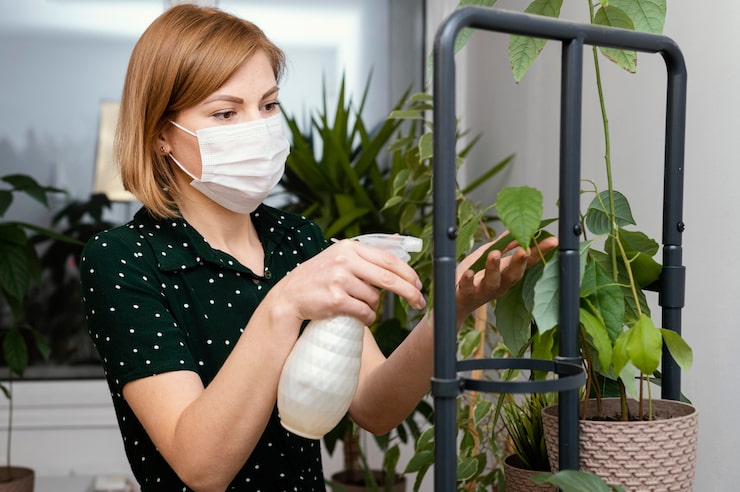
Temperature fluctuations inside a greenhouse can quickly disrupt plant development. Excess heat slows photosynthesis, increases water demand, and places stress on crops that are already working within a controlled environment. Over time, this instability leads to uneven growth patterns and reduced production efficiency.
A controlled temperature system helps maintain a stable internal climate by reducing heat buildup and supporting consistent growing conditions throughout the day. This allows growers to maintain predictable crop performance even during extreme outdoor temperatures.
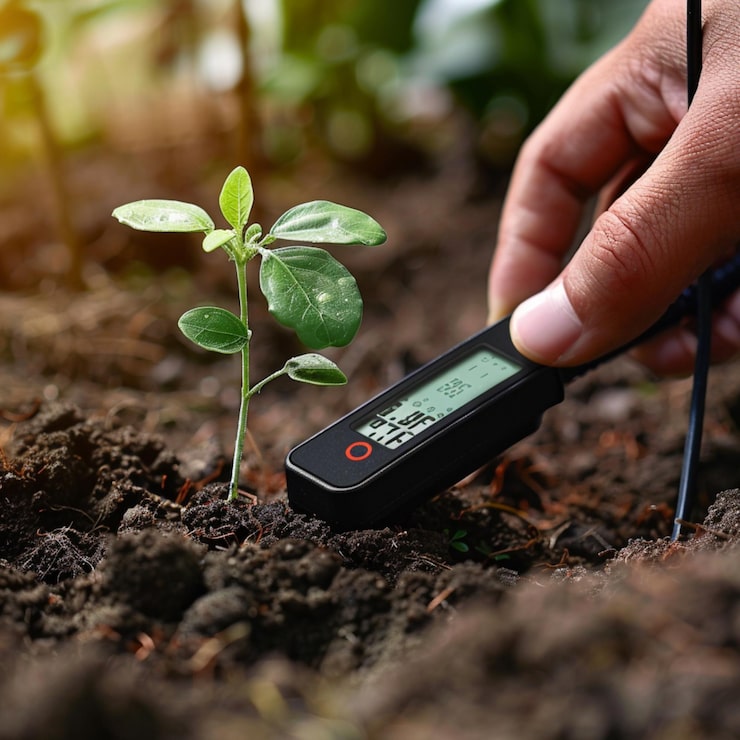
Large greenhouses often experience uneven temperature distribution due to airflow differences, sun exposure, and structural layout. Some zones may overheat while others remain cooler, creating inconsistent growing conditions within the same facility.
Temperature control systems help balance these variations by delivering targeted cooling where it is needed most. This ensures more uniform environmental conditions across all growing zones, improving crop consistency and reducing variability.
When greenhouse temperatures rise beyond optimal levels, plants divert energy away from growth and toward survival mechanisms. This affects leaf development, flowering cycles, and overall yield quality.
Evaporative cooling systems help lower ambient air temperature by introducing fine mist that absorbs heat as it evaporates. This process creates a more stable microclimate where plants can continue growing without interruption from external heat spikes.
Key benefits include:
• Reduced heat stress during peak daylight hours
• More stable photosynthesis and growth rates
• Improved plant structure and development consistency
Modern greenhouse cooling systems rely on controlled evaporation rather than excessive water use. Ultra-fine mist droplets evaporate quickly into the air, reducing temperature without wetting crops or creating excess humidity. This approach allows growers to lower heat levels efficiently while maintaining a clean and controlled growing environment suitable for sensitive crops and high-value production.

Effective temperature control does more than cool the air, it directly improves plant performance, operational efficiency, and overall crop reliability. By maintaining stable conditions, growers can reduce environmental stress and create a more predictable production cycle.
A well-managed cooling system ensures plants remain within their optimal growth range, even during extreme weather. This leads to stronger development, better yield consistency, and fewer disruptions caused by heat-related issues.
Benefits include:
• Maintains stable growing temperatures during peak heat conditions
• Reduces plant stress and protects sensitive growth stages
• Supports consistent photosynthesis and nutrient uptake
• Improves crop uniformity across all greenhouse zones
• Minimizes risk of heat-related crop damage or loss
• Enhances overall production efficiency and yield quality
Work with our team to design a temperature control system tailored to your greenhouse structure and crop requirements. We help create stable growing environments that support consistent production and improved crop quality.