
Humidity control solutions that support plant transpiration, reduce stress, and maintain optimal VPD levels for consistent growth.

Maintaining the right humidity level is one of the most important factors in greenhouse production. When air becomes too dry, plants lose moisture faster than they can absorb it, leading to stress, reduced growth rates, and uneven development. When humidity is too high, it can increase disease pressure and disrupt healthy transpiration.
A controlled humidification system helps stabilize moisture levels in the air, creating a balanced environment where plants can grow consistently throughout their lifecycle. This stability is essential for achieving predictable crop quality and reducing environmental stress fluctuations.
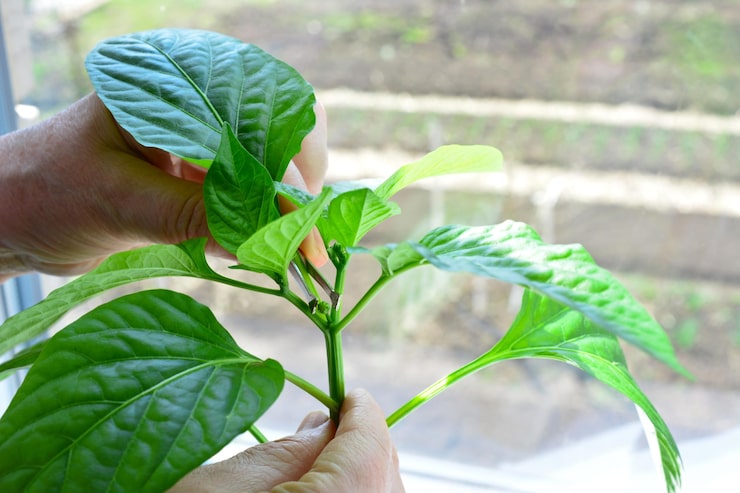
Transpiration is the natural process that allows plants to move water and nutrients from roots to leaves. If humidity levels are not properly managed, this process becomes inefficient, which directly impacts plant strength and productivity.
By maintaining consistent humidity, greenhouse systems support steady transpiration rates. This improves nutrient uptake, strengthens plant structure, and promotes more uniform growth across crops, especially in large-scale production environments where consistency is critical.
Key benefits include:
• Improved nutrient absorption and plant hydration balance
• Reduced environmental stress during growth cycles
• More consistent crop development across growing zones
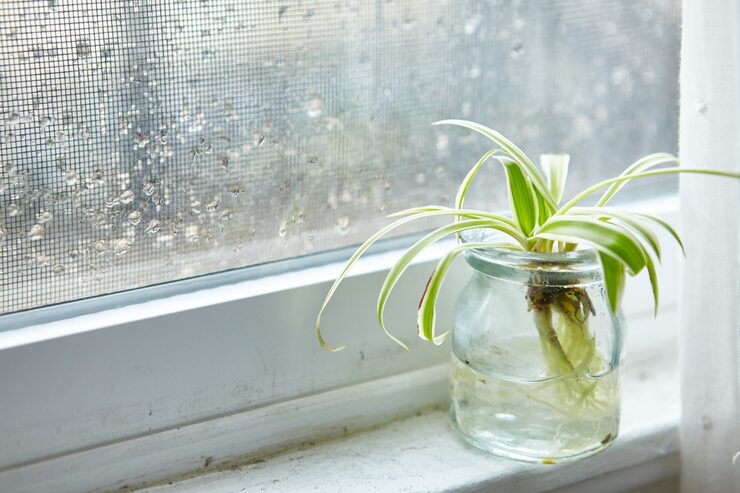
Vapor Pressure Deficit (VPD) is a key indicator of how effectively plants exchange moisture with the surrounding air. If VPD is too high or too low, plant growth efficiency declines and stress levels increase.
Humidification systems help regulate VPD by controlling the amount of moisture in the air. This allows growers to maintain optimal physiological conditions, ensuring plants remain in their ideal growth range throughout different stages of development.
Inconsistent humidity levels often lead to uneven crop growth, variability in size, and reduced overall yield quality. By stabilizing environmental conditions, growers can achieve more uniform results across entire greenhouse sections. This consistency is especially important for commercial growers who rely on predictable output for distribution, scheduling, and market quality standards.
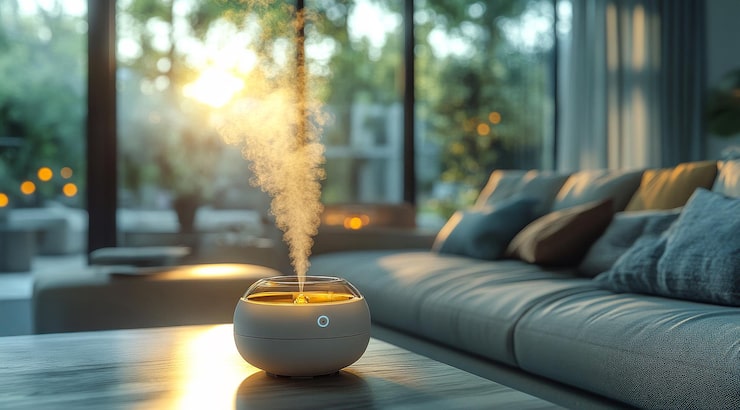
Humidity control is not just about comfort for plants, it is about creating a stable biological environment where crops can reach their full potential. When moisture levels remain consistent, plants respond with stronger growth, better resilience, and improved production efficiency.
By integrating controlled humidification into greenhouse systems, growers gain better control over outcomes and reduce risks associated with environmental fluctuations.
Work with our team to design a humidity control system tailored to your greenhouse layout and crop requirements. We help ensure consistent environmental stability for improved growth and production results.