
Cooling solutions for kennels, shelters, and rescue facilities to reduce heat stress and improve animal well-being in shared and outdoor spaces.

Animal shelters often operate with limited climate control in outdoor or semi-open structures. During hot weather, these environments can quickly become stressful for animals, especially when ventilation is restricted and occupancy levels are high.
Cooling systems designed for shelters help stabilize ambient temperature in exercise yards, kennel rows, and communal holding areas. The goal is not just comfort, but reducing physiological stress that can affect behavior, recovery, and overall health in sheltered animals.

Shelters frequently house multiple animals in close proximity, which increases heat buildup and makes temperature control more challenging. Unlike fully enclosed buildings, many shelters rely on airflow alone, which is often not enough during peak summer conditions.
A controlled misting system lowers surrounding air temperature without soaking floors or bedding. This helps maintain cleaner conditions while still improving thermal comfort across shared spaces where animals rest, move, and interact.
Key benefits include:
• Lower heat accumulation in kennel rows and outdoor yards
• Improved animal calmness and reduced heat-related agitation
• Safer recovery conditions for injured or newly admitted animals
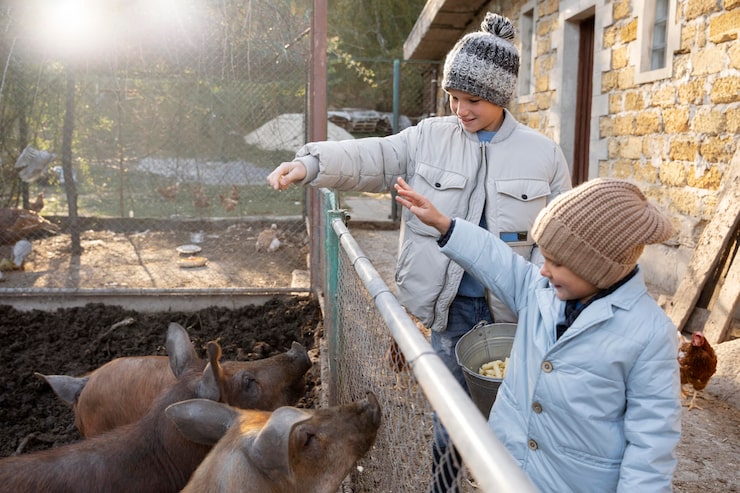
Heat has a direct impact on animal behavior. Overheated animals may show signs of restlessness, reduced appetite, and increased stress responses. In shelter environments, this can make care more difficult and slow down recovery or adoption readiness.
By improving environmental conditions, cooling systems support more stable behavior patterns. Animals remain calmer, more responsive, and better able to adapt to shelter routines, which improves both care efficiency and welfare outcomes.
Modern misting technology uses ultra-fine droplets that evaporate quickly in the air, reducing temperature without creating excess moisture or waste. This makes it suitable for shelters where hygiene and cleanliness are critical. Cooling is typically activated only during high-temperature periods, ensuring efficient operation while supporting long-term sustainability and cost control.
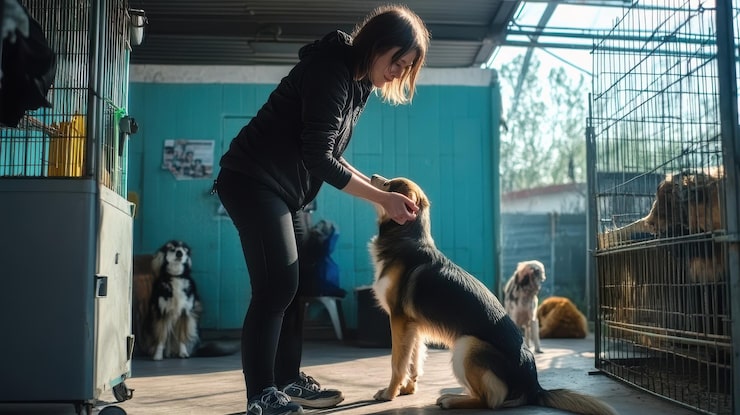
Shelter environments require durable, low-maintenance systems that can operate reliably under continuous use. Cooling solutions are designed to integrate into existing kennel layouts, fencing structures, and shaded outdoor areas without disrupting daily operations.
Systems can be zoned to target specific areas such as intake zones, play yards, or isolation spaces, allowing shelters to prioritize cooling where it is most needed during peak heat hours.
Beyond immediate comfort, controlled cooling improves overall shelter efficiency. Healthier animals require fewer interventions, recover faster, and remain more stable during their stay, reducing operational strain on staff. By improving environmental conditions, shelters create safer, more manageable spaces that support both animal welfare and daily operational effectiveness.