
Environmental cooling systems designed for animal exhibits, habitats, and visitor pathways in zoological and wildlife parks.
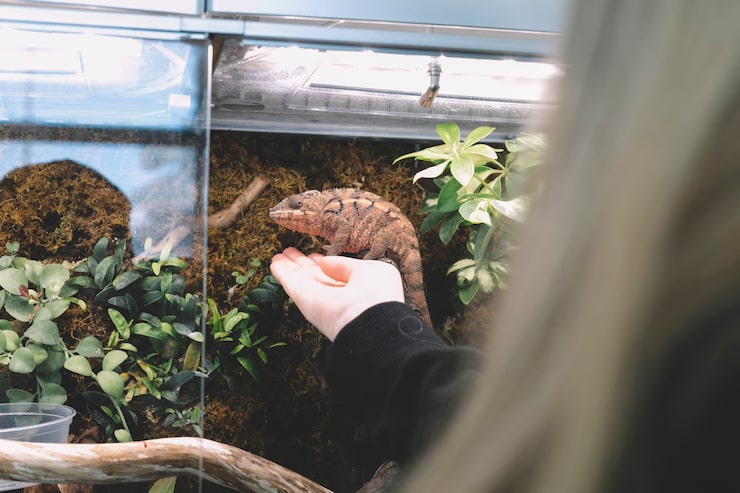
Zoo environments are designed to replicate natural habitats, but artificial enclosures can still experience extreme heat buildup, especially in open-air exhibits. Many species are highly sensitive to temperature changes, and prolonged heat exposure can affect activity levels, feeding behavior, and overall well-being.
Cooling systems help stabilize microclimates within enclosures by reducing ambient air temperature while preserving natural airflow and visibility. This allows animals to remain active and comfortable without altering the authenticity of their habitat design.
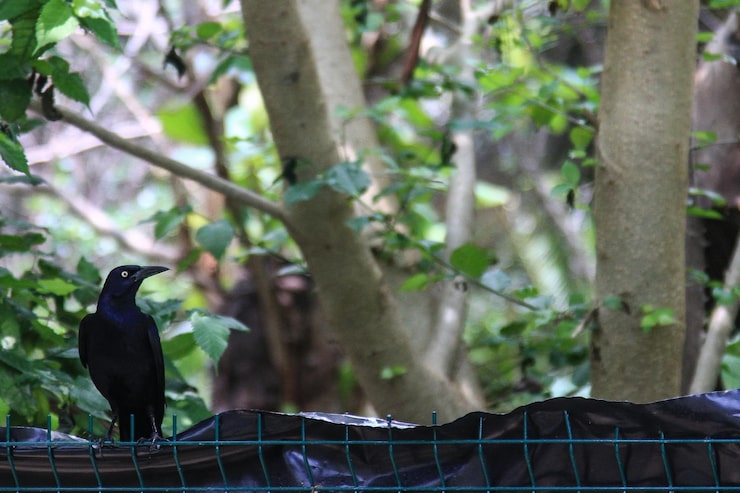
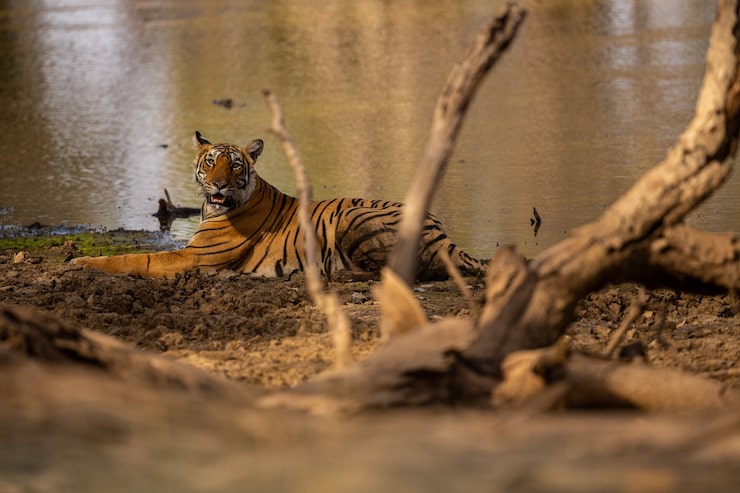
Zoos house a wide range of species, each with different thermal requirements. Tropical animals, large mammals, and birds of prey can all experience stress when temperatures exceed their tolerance levels.
Targeted misting zones help create cooler resting and feeding areas within larger habitats. These systems can be adjusted based on species needs, enclosure size, and seasonal climate conditions, ensuring a balanced environment across the entire facility.
Key benefits include:
• Reduced heat stress in temperature-sensitive species
• Improved comfort during peak daytime hours
• More consistent behavioral patterns and activity levels
Zoo cooling systems do more than support animals. They also improve guest comfort in walkways, viewing platforms, and queue areas. High temperatures can reduce visitor time spent in outdoor exhibits, limiting engagement and learning opportunities.
By lowering perceived temperature in public zones, misting systems encourage longer visits and improve overall experience without obstructing visibility or natural viewing conditions.
Zoo operations require systems that are both effective and environmentally responsible. Fine mist technology uses minimal water while achieving measurable cooling through rapid evaporation, preventing oversaturation of habitats or walking areas. Systems can be automated based on temperature and humidity conditions, ensuring efficient operation that aligns with conservation and sustainability goals.
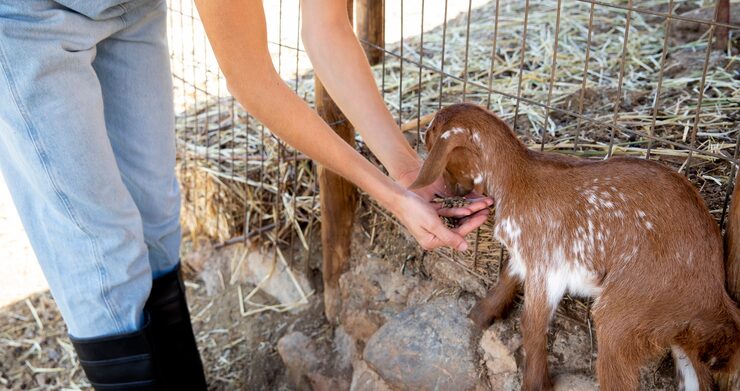
Zoo habitats often include complex layouts with rocks, vegetation, water features, and themed environments. Cooling systems are engineered to integrate discreetly into these designs without disrupting visual authenticity.
They can be installed along fencing, overhead structures, landscaping features, or concealed infrastructure, ensuring cooling is delivered where animals gather most while maintaining the natural appearance of exhibits.
Stable environmental conditions directly support animal welfare, enrichment activities, and long-term conservation efforts. When animals experience less heat stress, they exhibit more natural behaviors, improved health indicators, and better overall quality of life. By integrating controlled cooling into habitat design, zoos create safer, more resilient environments that support both animal care and educational engagement.